Social World |
 |
 |
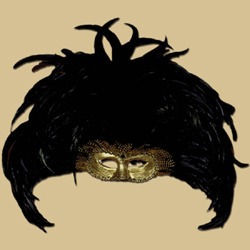
The mask is a potent device used frequently in popular theatrical forms that reflexively mirror, critique, and model social interactions. Comic critiques social interactions through masked theatre can to be found, for example, in the ancient Ha-hae tradition of Korea, the Italian Renaissance tradition of Commedia dell’ Arte, and the Ru-hozi of Iran, and Kyogen plays of medieval Japan. Analyses of social interactions through masked characters are often framed within a context of legends from the past, as in the Classical Greek Theatre, theNoh Theatre ofJapan,and the Topeng masked dance-dramas of Bali, Indonesia. |
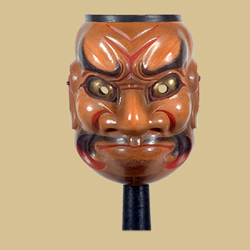
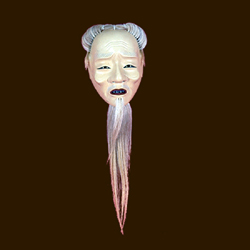
Some of the most sophisticated masks ever made were designed for the Noh and Kyogen theatres in fourteenth Century Japan. The masks were made by master craftsmen to give a deep insight into character. Balancing concerns with the realistic imitation of human characteristics (monomane) with the more abstract qualities of beauty and grace (yugen), these masks were used in plays alternated between the examination of the sometimes tragic impact of deeds from the past in Noh plays and of the often humerous actions of present day characters (often unmasked) in Kyogen. |
||
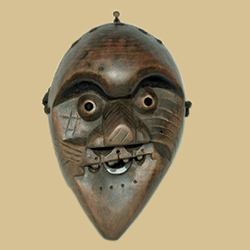
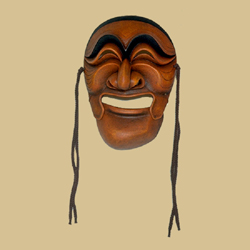
Ha-hae masks dating back to the eleventh and twelfth centuries balancethe satirical representation of social types with the realistic depiction of complex individuals. Several of these masks are designed so that the expression can vary markedly by changing the angle of the jaw, of by tilting the angle of the mask. Each Ha-hae mask shows different characteristics: in some, the chin is separated, making it movable; in others, if the performer moves the head back, the lips of the mask open. These movements allow the performer to display a variety of emotions.This tradition of using masks in Korea for satiric commentary resurfaced in the 17th Century in Yangju, Sonpa, and Pongsan, where more grotesque masks were used in regional variations of satiric folk plays inspired by Sandae-dukcourt traditions. |
 |
 |
 |
 |
In the Balinese Topeng, the tales used in the repertoire range chronologically from the defeat of Detya Mayadanava by the gods under Indra, to the mass death by suicide of the court at denpasar in 1906. Most Topeng stories are drawn from the Bahad Dalem or Chronicles of the Kings, as recorded on palm-leaf manuscripts, and detail the troubled history of the later Balinese principalities. Though the narratives relate to the past, much of the focus of the improvised performances is on the skills of the performers in commedia-like half masks who narrate the performance in reference to events of the present day and the portrayal of various comic (bondres) characters that provide eccentric and satirical treatments of human behaviour. |
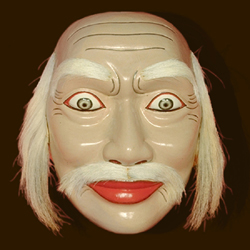
Socially focused masks are frequently grotesque; they arrest and expose character flaws, revealing men and women as conniving, stupid, vain, or otherwise disfigured in body and soul. Apostate monks and avaricious landlords of the Korean sandae-guk, variants, the burlesque characters of old comedy in ancient Greece, and the rogues, pedants, braggarts, flirts, and superannuated lovers of the Italian Commedia dell’ Arte have all, through their masks, presented living, comic monuments to mankind’s shortcomings. Treated with greater sympathy are the tricky servants (eirons) of Greek new comedy and old people with failing legs and vital hearts (like the viejitos of Mexico), found in many masked traditions. In these masks, the action of the story is generally framed and commented upon in a social context. |
||
